
Target Operating Model (TOM)
When companies grow, structures rarely grow cleanly with them. Roles overlap, decisions take too long, processes run through too many detours. The strategy is clear, but the organization is no longer built to deliver it reliably.
A target operating model creates order: clear responsibilities, sound decision paths and an operating model that fits the strategy.





When structures slow you down more than they help.
It starts gradually. A decision gets postponed. A process only runs because a few individuals hold it together from experience. Two units wait on each other. A tool is used, but not the way it was intended. External partners deliver their part, yet the overall picture stays blurry.
At some point this becomes a pattern. Teams are busy, but too little gets finished. Roles, processes, systems and interfaces no longer mesh cleanly. Steering becomes hard, because no one sees at a glance where responsibility, capacity, data and impact come together. This isn't a people problem. It's an operating model that no longer fits the strategy.


From target picture to reality
Together with you, we develop a clear target picture: an organization that can actually carry your strategy. Then we guide the path there: with defined roles, working processes and a governance that enables decisions instead of delaying them.
Many organizations have a strategy. Just not one that works as a basis for decisions in everyday business. Together we make concrete what the strategy really means: which goals take priority, which capabilities the organization needs for them and what's realistically achievable within the project. The result isn't a slide deck, but a clear framework everything else builds on.
We make visible how decisions are actually made today, where responsibility ends and where it should begin. To do so, we connect data, observations and the experience of the people who work in these structures every day.
We develop a concrete target picture: how does the organization need to be set up to carry the strategy? From this emerges a target operating model that clarifies roles, makes processes sound and sets up governance so decisions become possible faster.
A TOM that only exists on paper changes nothing. We guide its translation into the departments and make sure what was agreed is actually lived: structured, transparent and close to the people who put it into practice.
Organizations change, strategies get sharpened. We bring back the lessons from delivery and adjust the model, so the TOM doesn't go out of date but grows with the organization.

More transparency and structure in IT demand management

Starting point:
DEUTZ wanted to make its existing demand-management structures more transparent and to assess strategic requirements more consistently in future.
Goal:
Introduce a standardized demand management with clear prioritization criteria and transparent decision processes to better steer IT initiatives.
Result:
Together with DEUTZ, grandega established a company-wide, unified demand process with clear responsibilities, standardized evaluation logic and greater transparency in decision-making.

The new demand process creates transparent decisions and strengthens the strategic alignment between business and IT.

More transparency and structure in IT demand management

Starting point:
DEUTZ wanted to make its existing demand-management structures more transparent and to assess strategic requirements more consistently in future.
Goal:
Introduce a standardized demand management with clear prioritization criteria and transparent decision processes to better steer IT initiatives.
Result:
Together with DEUTZ, grandega established a company-wide, unified demand process with clear responsibilities, standardized evaluation logic and greater transparency in decision-making.

The new demand process creates transparent decisions and strengthens the strategic alignment between business and IT.

More transparency and structure in IT demand management

Starting point:
DEUTZ wanted to make its existing demand-management structures more transparent and to assess strategic requirements more consistently in future.
Goal:
Introduce a standardized demand management with clear prioritization criteria and transparent decision processes to better steer IT initiatives.
Result:
Together with DEUTZ, grandega established a company-wide, unified demand process with clear responsibilities, standardized evaluation logic and greater transparency in decision-making.

The new demand process creates transparent decisions and strengthens the strategic alignment between business and IT.

More transparency and structure in IT demand management

Starting point:
DEUTZ wanted to make its existing demand-management structures more transparent and to assess strategic requirements more consistently in future.
Goal:
Introduce a standardized demand management with clear prioritization criteria and transparent decision processes to better steer IT initiatives.
Result:
Together with DEUTZ, grandega established a company-wide, unified demand process with clear responsibilities, standardized evaluation logic and greater transparency in decision-making.

The new demand process creates transparent decisions and strengthens the strategic alignment between business and IT.

How to find the right transformation partner for SAP S/4HANA

Problem:
Planning a comprehensive SAP S/4HANA greenfield transformation, the client needed to select the ideal implementation partner from a crowded field of potential vendors.
Goal:
To establish a transparent and structured selection process that enables an objective evaluation of potential consulting partners and lays the foundation for a successful transformation.
Result:
grandega designed and managed the entire tendering process - from vendor identification and evaluation through to final decision-making - establishing a robust foundation for selecting the ideal transformation partner.

grandega structured the selection process professionally, moderated it objectively, and supported us in making a well-founded decision for our future transformation journey.

New Work Structures for a Hybrid Working World
Problem:
The client faced the challenge of permanently embedding hybrid collaboration, new ways of working, and organizational changes within the company.
Goal:
To develop a structured 'New Normal' approach to improve collaboration, increase transparency, and successfully implement new working models.
Result:
grandega supported the client in designing and implementing the 'New Normal' program, utilizing structured governance frameworks, workshops, and initiatives to permanently anchor new ways of working.
grandega helped us implement new forms of collaboration in a structured manner and anchor them sustainably across the organization.


Insights into our successful projects.
Learn firsthand how we have turned strategic goals into measurable success through close collaboration.
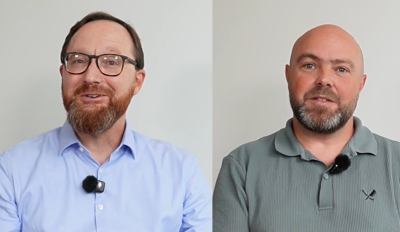

“It was a great fit both in terms of technical expertise and personal chemistry, grandega selected the absolute perfect person for the job.”
Managing Director, Willi Hahn GmbH
Project supported by grandega Technology
- Critical vacancy filled quickly
- The perfect fit, professionally and personally
- Highly flexible with no long-term commitment

“It was a great fit both in terms of technical expertise and personal chemistry, grandega selected the absolute perfect person for the job.”
Managing Director, Willi Hahn GmbH
Project supported by grandega Technology
- Critical vacancy filled quickly
- The perfect fit, professionally and personally
- Highly flexible with no long-term commitment

“grandega is highly focused on execution and delivering results, rather than just teasing concepts in theory.”
Former Client & Advisor to grandega
- Not your typical consultancy
- Focused on real-world execution
- Adaptierbar für verschiedene Kundengruppen

“In my experience, grandega is a people-first consultancy that still places a strong emphasis on driving project execution.”
Head of Payment Engineering, Worldline
- A highly human and collaborative approach
- Professional in execution
- Committed to delivering final results
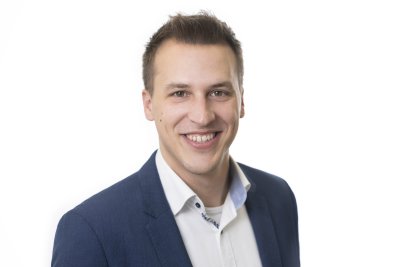
“Maximum structure and complete transparency throughout the selection process—that is how we made the right choice for our S/4 transformation together.”
Project at a major construction group
- A rigorous, structured vendor selection process
- Ensuring cultural fit through a collaborative capability workshop
- Full team buy-in behind the decision

“By extending our existing Identity Providers with MFA, we were able to achieve DORA compliance quickly and efficiently.”
Project at a major insurance group
- DORA-compliant authentication
- Nutzung bestehender Infrastruktur
- Wiederverwendbarer MFA-Standard

“From Excel chaos to a cloud-based HR solution—structured, collaborative, and with full team buy-in.”
Project at an IT & software company
- Transparente Aufnahme aller HR-Prozesse & Tools
- A structured vendor selection process with clear criteria
- The HR team fully backs the decision

“With a clear CCOE target picture, we ensured that the right people are in the right place at the right time.”
Project at a building materials supplier
- Gap analysis & roadmap for IT operations post-go-live
- Make-or-buy decision for critical key resources
- Risk mitigation through structured CCOE establishment
Why companies choose us
Let's talk about the success of your initiative.
A first conversation is the decisive step toward clarity: where does your project stand? Which levers will bring it back on course for success? And above all: is the chemistry right for a successful partnership?
Our promise for this conversation: no obligation, honest, and on equal footing.

What you should know before we talk.
Before you have a conversation with us, we answer the questions that, in our experience, come up most often.
When strategy, organization and delivery no longer fit together cleanly. Typical signals are slow decisions, unclear responsibilities, friction between units, growing coordination loops or processes that only work thanks to personal experience.
No. A target operating model goes much further. It describes how roles, processes, decision paths, governance, capabilities, systems, data and partners have to work together so the organization can reliably deliver its strategy.
The goal isn't an abstract model, but a workable operating picture. That includes clear roles, responsibilities, decision logics, process boundaries, interfaces and first implementation steps. This makes visible what has to change organizationally and where to begin.
By matching the target picture against reality early. We work with data, observations and the experience of the people who work in the structures every day. The result is a model that connects to reality and can be translated into concrete delivery.
We don't look at the operating model in isolation as a question of structure. What matters is whether it brings together strategy, processes, IT, partners, governance and delivery. The focus is on an organization that becomes steerable in everyday work and can really carry change.

